A defence of depth, substance, and analytical storytelling within modern wine writing.
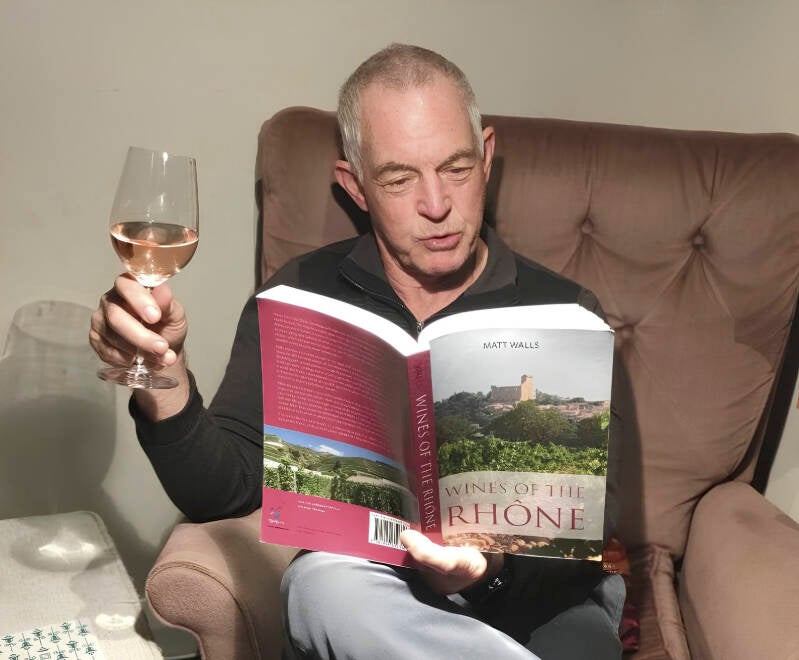
Stepping off the treadmill: An armchair, a good glass of wine and some serious reading
If you spend any time browsing the modern digital wine landscape, you will quickly notice a distinct aesthetic. It’s a world dominated by the soundbite, the tweet, and the strategically placed emoji. We are told by digital marketing gurus that the human attention span has shrivelled to that of a goldfish, and that to survive online, our content must be "snackable."
The result is a sea of superficial tasting notes and brief summaries that, to be perfectly honest, I find deeply unsatisfying. It’s the literary equivalent of being invited to a premier estate for dinner, only to be offered a single, small appetiser—and then told the kitchen is closed. There is no main course. No substance. No time to sit, reflect, and digest.
I will happily put my hand up: I am a Boomer. And along with my generation—and Gen X, the one that followed us—I come from a time when reading was a pastime, not a rushed distraction. We still fondly remember the ritual of the long Sunday brunch, pouring a second cup of coffee, and settling in to work our way through a piece of serious, deep-dive reporting in a real, physical newspaper. We didn't want the quick summary; we wanted the context, the nuance, and the full story.
This perspective naturally shapes how I look at wine. From the production side, wine is not a transient commodity to be reduced to a score or a tweet. Every bottle is a complex intersection of history, geology, macro-economics, weather patterns, and human lives. You simply cannot explore the profound geological evolution of a sub-region's soil architecture, or the ethical friction points of a global supply chain, in a 200-word blurb. To try to do so is an insult to the complexity of the craft and the land.
This same superficiality has hijacked the consumption side of the ledger. Modern digital culture treats wine like an open tab—rapidly swiped, photographed, and forgotten before the bottle is even empty. But a true appreciation of wine resists this breathless pacing. Wine is fundamentally an engine for connection, designed to be poured slowly alongside a long, unhurried meal, surrounded by close friends and the rising hum of unstructured conversation. It is about the feelings a specific vintage evokes, the memories it exhumes, and the sprawling, late-night debates it naturally generates. You cannot reduce that human chemistry to a star rating or a digital tag. I don’t want a fleeting air-kiss of a relationship with what is in my glass; I want a long, meaningful embrace. If we rush the drinking, we miss the entire point of the bottle—and if we rush the writing, we miss the entire soul of the story.
To understand why this matters, we must look at the hidden economic engines driving modern media. The "snackable" internet operates entirely on the Economics of Attention. It is a business model designed to maximize raw clicks, page views, and ad impressions. In that universe, depth is a liability. The longer a reader stays reflecting on a single page, the fewer ads they click elsewhere. It requires content to be shallow, fast, and addictive. Indeed, we see the severe consequences of this click-driven model when we look at the algorithmic superficiality, exaggeration, and inaccuracy of recent global health reporting. I have previously lamented this sensationalised trend within the new hostility toward wine, demonstrating how modern media platforms prioritize inflammatory, black-and-white headlines over rigorous, nuanced scientific context simply to feed the attention engine.
But a premium wine region—and the community that sustains it—operates on an entirely different model: the Economics of Experience. Here, value is built on lifetime relationships, trust, and deep immersion. A boutique winery does not survive on casual passersby who take a quick selfie and leave; it survives on the dedicated collector who returns year after year because they understand the unique story of the soil and the people behind the label. When we reduce wine writing to a series of superficial soundbites, we align ourselves with the clickbait economy, actively degrading the premium positioning of our regional brands.
This is why the current trend toward short-form minimalism is a dangerous illusion. It assumes that because consumers are busy, they no longer value substance. My experience on the ground completely refutes this. The vast majority of my wine tour guests here in Martinborough are highly curious, educated individuals who don't visit a wine region to simply tick boxes. They come to learn, to immerse themselves, and to understand the why behind the liquid in their glass. They appreciate depth in their regional experiences, so why should they expect anything less from their reading?
In fact, I take the exact same uncompromising approach to designing my bespoke Martinborough wine tours as I do to crafting my prose; my wine experiences are deliberately structured for depth and connection, completely rejecting the generic, hurried run around local cellar doors to simply taste as many wines as can be squeezed into a standard afternoon window. It is an experiential philosophy that looks past fleeting pop-culture trends—such as the way Hollywood rewrites our wine habits and temporarily distorts consumer culture—to instead anchor the entire journey in authentic regional storytelling, human equity, and the genuine soul of the land.
From a writing perspective, I refuse to settle for the superficial. I cannot be satisfied with delivering a mere moment of digital titillation. I want to tell the whole story. I want to vigorously explore conflicting perspectives, challenge the status quo, and deliver lasting, intellectual value to my readers. If we expect our guests to invest their time and resources into visiting our regions and cellars, we owe them a narrative that matches that level of commitment.
So, if you visit wineinsights.org and notice that my features are lengthy, detailed, and require a bit of time to sit with, please know that it is entirely intentional. Consider it an invitation to step off the digital treadmill. Pour yourself a proper glass of Pinot Noir, settle into a comfortable chair, and let’s actually look beneath the canopy together. The main course is served.
About the Author
John Penney is a wine experience guide based in Martinborough-Wellington, New Zealand. His lifelong passion for wine is shaped by extensive international wine travel, formal study (WSET Level 3), and a career in adult learning. He writes about wine from both technical and cultural perspectives, drawing on real-world tasting, wine travel, and extensive research. Through his wineinsights business he provides Wairarapa wine tours, wine tasting in Martinborough, and wine education experiences for wine lovers and enthusiasts. If you are ready to step off the digital treadmill and dive into some serious reading check out his curated list of wine books. If you enjoyed this weekly article and would like to subscribe for free, please use the contact form.
Add comment
Comments
Well said, John! Really appreciating your thoughtful articles on so many aspects of wine production and consumption. You're right - lots of us actually want to learn, and the clickbait/soundbite approach isn't designed to provide anything substantial for us, it's just about revenue. Your approach is a real breath of fresh air, thank you!
Great article! The internet is killing the joy of reading. Everything is reduced to a meme. Soon we will all be communicating with memes like the Egyptians did with hyrogliphs.